Coquina & Tabby Tombs
Shell stone and shell concrete from the Southeast coast: what they are, why they crumble, and the one repair mistake that destroys them.
Along the coast of the Southeast, some of the oldest graves were built from the shore itself. Coquina is a natural stone made of shells. Tabby is a kind of early concrete made of burned oyster shells. Both were used for tombs, burial vaults and walls, and both are now among the most fragile grave structures in the country.
What They Are
- Coquina is a soft limestone made of broken shells cemented together. It was quarried on Anastasia Island near St. Augustine, Florida, and is the stone of the Castillo de San Marcos. It is soft when first cut and hardens somewhat as it dries. It was often covered with a lime plaster or whitewash, which protected it.
- Tabby is made by burning oyster shells to make lime, then mixing the lime with sand, whole shells and water and pouring it into wooden forms. It was used along the coasts of Georgia and South Carolina and into northern Florida from the colonial period through the 1800s, for houses, walls, vaults and grave enclosures.
Where to See Them
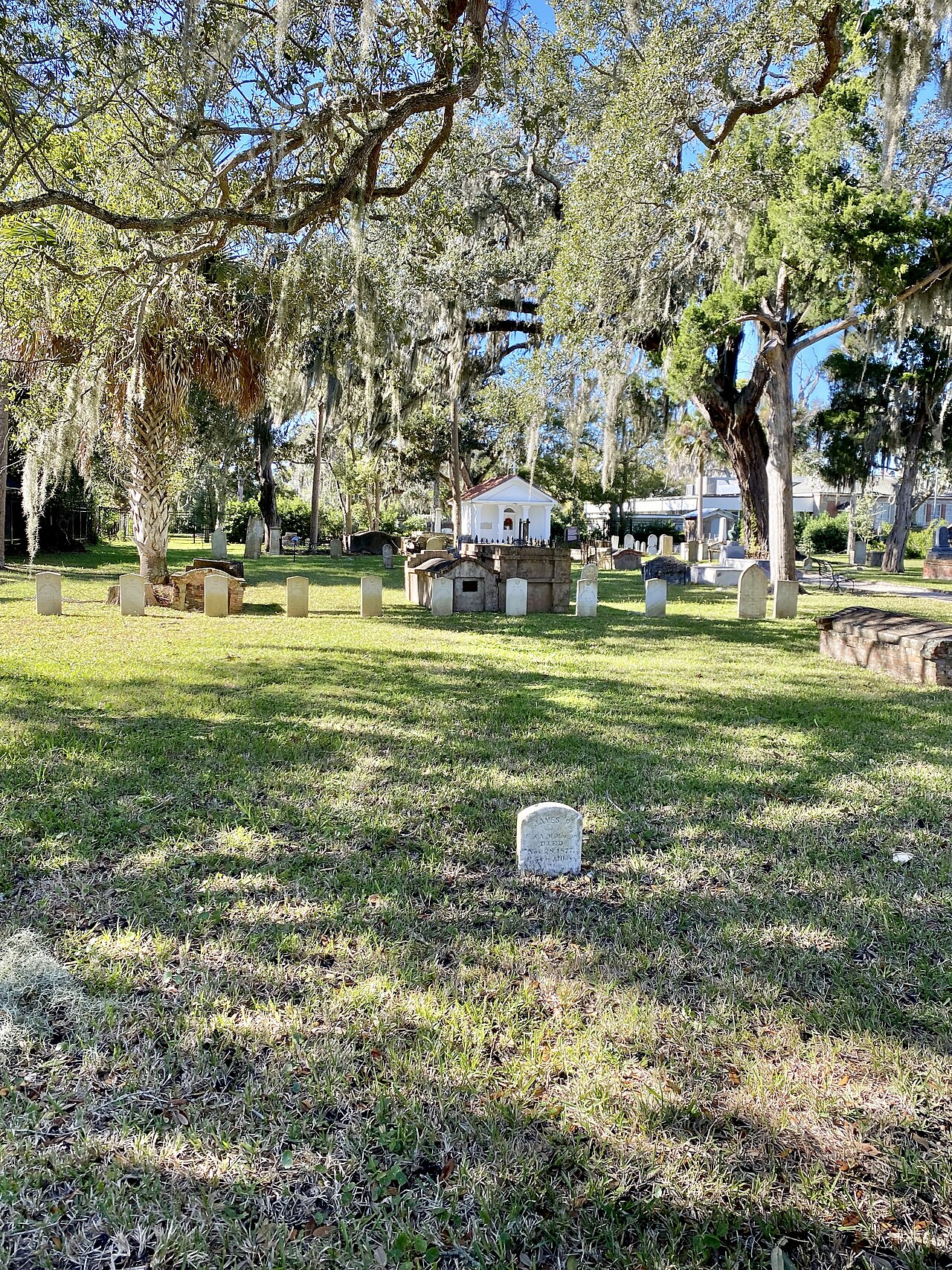
St. Augustine’s Tolomato Cemetery and Huguenot Cemetery both have coquina tombs and box tombs, many badly worn. Tabby ruins, including burial structures, survive on the Sea Islands and coastal plantations of Georgia and South Carolina.
What Destroys Them
- Salt and water. Salt air, storm surge and rising groundwater carry salts into the shell stone. As the salt crystallizes it breaks the surface apart.
- Lost plaster. Once the protective lime coating weathers away, the soft stone underneath erodes quickly.
- Portland cement repairs. The biggest man-made threat. Hard modern cement is stronger and less porous than coquina or tabby. Water and salt get trapped behind it, and the original material crumbles around the patch.
- Pressure washing and scrubbing. Shell stone wears away under a stiff brush or a jet of water.
- Roots and storms. Tree roots lift tombs, and falling limbs in hurricanes crush them.
Caring for Coquina and Tabby
Do
- Photograph and record it, including any inscriptions on stone or plaster
- Clean only when needed, with gentle water and a very soft brush
- Leave any surviving plaster or whitewash in place
- Keep sprinklers and standing water away from it
- Collect loose fragments and keep them with the tomb’s record
- Use a conservator who works with lime for any repair
Don’t
- Patch or point it with Portland cement or concrete
- Pressure-wash, scrub or use a wire brush
- Use acids or harsh cleaners
- Seal it or coat it with water repellents — they trap salt
- Pull out old cement patches yourself; it can tear the original
- Climb on, sit on or lean things against box tombs
The right repair material is lime. Conservators use lime mortars and lime washes that are softer and more breathable than the original, so the repair wears away first instead of the tomb. Matching the sand and shell in a tabby repair keeps it from standing out.
Sources
- National Park Service, Preservation Brief 48: Preserving Grave Markers in Historic Cemeteries.
- Georgia Department of Natural Resources, Historic Preservation Division, guidance on tabby.
- University of South Florida Libraries, 3D documentation of Tolomato Cemetery, St. Augustine.
- National Park Service, Castillo de San Marcos National Monument: coquina.
More from Guardian Stone Care: all articles · our free Stone Assessor · the free Ground Explorer.
Guardian Stone Care & Restoration, November 2026.